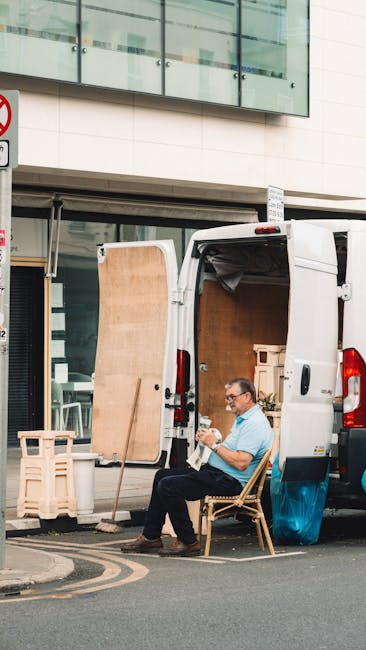
Man With A Van in Fulham

Man With A Van Fulham offers a practical removals service for moving items, furniture and household contents in and around Fulham. It is suited to smaller moves, single-item transport and straightforward relocation work where careful loading, secure transit and sensible planning matter more than a full-scale removal operation. The service can support people moving between flats, houses or work premises when the job needs a flexible vehicle and hands-on carrying.
We can help with local removals, furniture pick-up and van-based moving support, with the work shaped to the items being moved rather than to a one-size-fits-all job. That makes it useful for customers who need to move wardrobes, sofas, boxed belongings, office essentials or mixed household loads. If you are comparing removal options, the most useful starting point is usually the volume of goods, access at each end and whether packing help is needed.
For a clearer idea of what to include in a quotation request, use the pricing and quotes page as a guide to the information that helps describe a move properly. A short list of the main items, collection and delivery locations, and any awkward access details will usually make the conversation more efficient. Keep the description simple, and it becomes easier to match the vehicle and labour to the job.
House moves and flat moves
House moving in Fulham often needs a service that can manage tight streets, upper-floor access and mixed household contents without unnecessary complexity. A man and van approach is well suited to that kind of work because it can be arranged around the size of the move, whether the job is a studio flat, a family home or a partial relocation. It is also a sensible option when only selected rooms or larger items need to be moved rather than the whole property.
If you are comparing options for a domestic move, the home moves page gives a natural next step for understanding the kind of household relocation support available. Some customers only need the main furniture transported, while others want a fuller service that also covers boxes, appliances and dismantled pieces. The key is to match the service to the actual contents, rather than assuming a bigger vehicle or more labour is always better.
In practical terms, a home move usually benefits from a clear loading order, protective handling and a route that avoids unnecessary delay. Items that need extra care, such as mirrors, tables, beds and shelving, should be identified early so they can be handled with suitable equipment and sensible lifting technique. Good planning is not about making the move complicated; it is about reducing avoidable strain, breakages and confusion on the day.
Furniture pick-up and single-item transport

Many customers do not need a full removal van. They just need a reliable way to collect a sofa, bed frame, wardrobe, appliance or other bulky item and get it to its destination safely. That is where furniture pick-up work can be particularly useful, because it provides a simple moving solution for one-off collections, marketplace purchases and items bought from shops or private sellers. It is also helpful when the item is too large for a car but not enough to justify a large move.
The furniture pick-up page is the clearest fit when the main job is collection rather than a wider house move. A well-organised pick-up usually depends on item dimensions, whether lifting is needed at both ends and whether the object can be moved in one piece. If not, the work may need to include dismantling and reassembly, or at least a careful plan for moving it through doors, corridors and stairwells.
Useful information for a pick-up is usually straightforward: what the item is, where it is being collected from, where it is going and whether anyone can assist at either property. When those details are known, it becomes much easier to decide whether the job is best handled as a single-item collection or as part of a broader removals task. Clear measurements can prevent last-minute surprises, especially with larger furniture or appliances that only just fit through access routes.
Packing support and careful loading
Packing and unpacking can make a moving day feel more manageable, especially when customers have a mixed collection of fragile items, books, kitchenware and loose household belongings. This support is most useful when there is limited time, a large number of boxes or a need to organise items by room so the delivery side is easier to settle. It can also help when the move involves awkward objects that need extra wrapping before they are placed in the vehicle.
For jobs that need help beyond transport alone, the packing and unpacking services page is relevant because it points to the kind of support available around preparation and settling in. Not every move needs full packing, but many moves benefit from a measured approach to boxing breakables, separating essential items and marking containers sensibly. That is especially true when the journey is short but the loading process involves lots of smaller pieces.
There are also practical limits to think about. A properly packed box is easier to stack and secure than a loose mixture of items, and a well-labelled group of cartons is easier to place in the right room at delivery. Careful packing protects both the items and the pace of the move, because it reduces the need to stop and reorganise during transit. If you are preparing an enquiry, it helps to note which items are fragile, which can be dismantled and which must travel upright.
Commercial moves for small premises
Not every business move needs a large removal team. Smaller commercial jobs in Fulham can include moving office furniture, boxed stock, archive material, workstations or equipment between premises. A man with a van is often a practical fit where the priority is controlled handling and straightforward transport rather than a long, complex relocation. It can be suitable for shops, studios, consultancies and other workplaces with a manageable volume of contents.
Where the work is more office-focused, the office removals page offers a relevant route into the kind of relocation support that suits desks, chairs, files and equipment. Commercial moving is usually helped by a firm inventory, access notes for loading bays or stairs, and a clear decision about what must go first. That organisation reduces disruption and helps the move stay orderly from departure to delivery.
For a business, the main choices are often about timing, sensitivity of the items and how much handling is needed at each end. A compact move may only need transport, while a more detailed relocation may also need dismantling, wrapping and placement in the right area on arrival. A sensible plan avoids unnecessary downtime and keeps the process focused on the materials that actually matter to the operation.
About Fulham

Fulham is a district in the London Borough of Hammersmith and Fulham, set on the north bank of the River Thames in south-west London. Its character has been shaped by a long history of riverside settlement, later suburban development and the growth of sporting and cultural landmarks. Fulham Palace, the historic former residence of the Bishops of London, stands as one of the area’s best-known heritage sites and reflects centuries of ecclesiastical influence. Nearby, Bishops Park provides open space along the river and links the local street pattern to the Thames frontage. The district is also strongly associated with sport, particularly through Craven Cottage, the home of Fulham Football Club, whose riverside setting is one of the most recognisable in London. The neighbourhood includes a mixture of period terraces, mansion blocks and later apartment buildings, especially around Fulham Road, New King’s Road and the streets leading towards Parsons Green and Putney Bridge. Its urban form combines residential side roads, commercial frontages and stretches of green space, giving it a varied but distinctly inner-London feel. The Thames Path runs along the edge of the area, and the river remains a defining geographical feature that has influenced movement, trade and local identity for centuries. Together, these elements make Fulham a place with a layered history, strong architectural variety and a clear sense of place within west London.
Office removals and relocations
Office removal work is often about keeping things orderly rather than simply moving desks from one address to another. The process may involve filing cabinets, IT equipment, boxed records, meeting furniture and items that need to arrive in a specific room or sequence. A focused van-based service can work well for smaller offices, shared workspaces or satellite premises where the volume is manageable but the items still need proper care.
When the move has a business emphasis, the office relocation services page is the best related destination, because it speaks to the wider logistics around relocating a workplace. This sort of job is often improved by a simple move order, access notes and a decision about what will be transported, what will be discarded and what must be kept accessible until the last stage. That helps the relocation happen in a structured way.
Commercial customers often want their essential items kept together so they can restart work quickly after delivery. For that reason, it helps to separate items that are sensitive, fragile or regularly used from those that can be moved later in the sequence. The better the sorting before collection, the smoother the unloading becomes at the other end.
What a van-based move can cover

A van-based removal service can cover a wide range of everyday moving tasks, from small house moves and furniture transport to local deliveries and mixed loads. The value lies in flexibility: a job can be arranged around the actual contents, the access conditions and the amount of lifting required. That makes it useful where the move is too involved for a simple car journey but does not need a large multi-vehicle operation.
Some customers come to removal services because they want a broad moving solution, while others already know the job fits a lighter setup. Either way, the work can include loading, securing items in transit and placing them at the delivery point in a sensible order. If something needs disassembly, or if bulky items need additional care, those details should be identified in advance so the right approach is used.
Useful preparation usually comes down to a short checklist rather than a long list of demands. The mover needs to know what is being transported, whether there are stairs or narrow entrances, and whether any heavy objects need extra handling. Those simple facts shape the job more than anything else, because they influence the size of the van, the number of hands required and the time needed to complete the move carefully.
Choosing the right service for your load
It is not always obvious whether a move should be booked as a home move, furniture collection or office relocation. The best choice depends on the combination of items, the amount of access involved and whether the job is mainly transport or also includes preparation. A man and van service is often the most straightforward option when the contents are varied but the total load remains manageable.
For customers comparing different removal approaches, the man and van removals page is a natural comparison point because it captures the flexible, hands-on style of job that many smaller moves require. A sensible choice is usually the one that matches the work you actually have, rather than the biggest or most elaborate service available. That keeps the move efficient and makes it easier to plan the right level of help.
To make the choice easier, think in terms of
- what must be moved
- how fragile or bulky it is
- whether there are stairs, lifts or parking limits
- if packing or dismantling is needed
Planning, access and quotation details
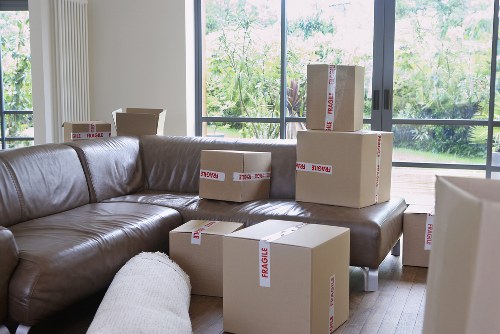
A useful quotation request is usually built from a few concrete details rather than a long explanation. List the main items, the collection and delivery points, and anything unusual about access such as narrow staircases, parking restrictions or long carrying distances. If the move involves multiple stops, note the order in which they will happen. This sort of information helps shape an accurate moving plan and avoids assumptions about the scale of the job.
You can also use the contact us page when you are ready to make an enquiry about the work. If you are still narrowing things down, the about us page and removals page are useful for understanding the broader service scope, while house removals and man with a van may be better depending on the sort of move you have in mind. Each of these pages supports a different kind of customer decision, from domestic moving to lighter transport work.
Request a quotation when you are ready, and keep the note brief but specific. A good enquiry does not need polished wording; it just needs enough detail for the move to be assessed sensibly. If you can mention item type, access and timing, the response can be matched more closely to the work. Simple facts lead to clearer quotes, especially when the move involves more than a single object.